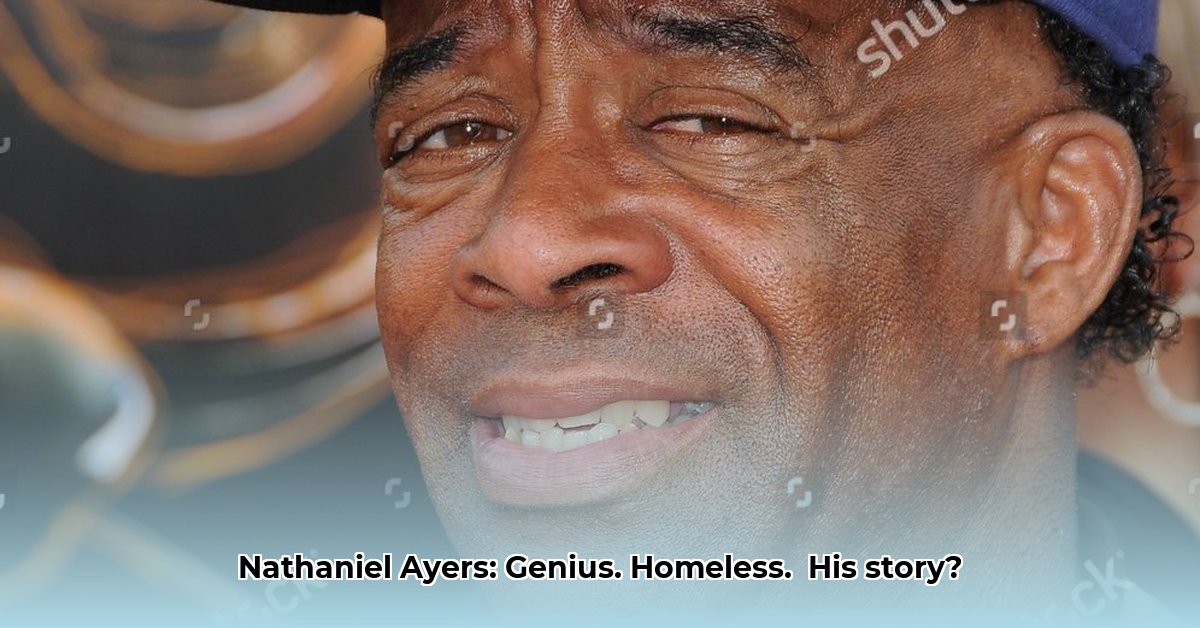
A Life Beyond the Numbers: From Juilliard to the Streets
Nathaniel Ayers. The name conjures images of a gifted cellist, a Juilliard graduate whose extraordinary talent was tragically eclipsed by a debilitating battle with schizophrenia. Many ask, "What is Nathaniel Ayers's net worth?" But the answer, likely a stark reflection of his struggles, misses the point entirely. This isn't a story about money; it's about the systemic failures that allowed a brilliant mind to fall through the cracks – a poignant testament to the devastating impact of untreated mental illness and the precarious realities faced by artists. For comparison, see Patrick Wilson's net worth.
The Prodigy's Fall: A Heartbreaking Descent
Picture a young man, brimming with talent, accepted into the hallowed halls of Juilliard. That was Nathaniel Ayers's reality. He was poised for greatness, a rising star on the classical music scene. Yet, the insidious grip of schizophrenia shattered his dreams, leading him, heartbreakingly, onto the streets. This stark contrast – from the pinnacle of musical success to the harsh realities of homelessness – is a stark reminder of mental illness's destructive power. It's a story that compels us to confront the inadequacies of our support systems.
But Ayers's story isn't solely one of decline. It's also a testament to the human spirit's enduring strength, to the power of music to forge connections amidst hardship. Steve Lopez, a Los Angeles Times journalist, documented their encounters, bringing Ayers's plight to a wider audience. The subsequent film, "The Soloist," further amplified his struggles. However, despite the increased awareness, crucial questions remain unanswered. What about the practical, day-to-day realities of his life, particularly his financial situation?
The Elusive Net Worth: A Reflection of Systemic Failure
Pinpointing Nathaniel Ayers's net worth is nearly impossible. It's likely incredibly low, perhaps even nonexistent. But this isn't merely an accounting puzzle. It reflects deeper societal failures in the systems designed to support vulnerable individuals. The scarcity of readily accessible and affordable mental healthcare, combined with the inherent instability of an artistic career, created a destructive perfect storm. While "The Soloist" brought fleeting attention, the movie's impact proved short-lived, failing to provide the consistent, long-term support he desperately needed. This lack of sustained aid is tragically evident in the accounts shared by family members following the film’s release. How can we, as a society, do better?
Ethical Crossroads: Fame, Responsibility, and the Media
The media spotlight, while shedding light on Ayers's experiences, raises serious ethical queries. Was it responsible to utilize his story for broader social commentary without ensuring his sustained well-being? Did the temporary fame translate into tangible improvements in his life, or in addressing systematic failings? Some experts argue that the intense media attention might have inadvertently increased the pressure on someone already struggling with immense mental health challenges. These are intricate dilemmas demanding careful consideration – a balance between raising awareness and respecting individual vulnerability.
Moving Forward: A Call to Action
Focusing solely on Nathaniel Ayers's net worth is not only reductive but also deeply disrespectful. It obscures the larger issue: the urgent need for fundamental changes in how we approach mental healthcare, particularly for artists and other vulnerable individuals. This requires a multifaceted approach:
Enhanced Access to Mental Healthcare: Providing preventative care, early interventions and affordable, readily accessible ongoing treatment are crucial.
Comprehensive Support Systems: Financial assistance, stable housing, and supportive social networks are essential for those struggling.
Responsible Media Portrayals: Media outlets must establish clear ethical guidelines for depicting individuals with mental illness, avoiding sensationalism and prioritizing respect.
Governmental Commitment: Increased government investment in mental health research, services and sustainable programmes is non-negotiable.
Targeted Support for Artists: Dedicated programmes to support creative individuals facing mental health challenges are vital.
Nathaniel Ayers's story is far more than a simple financial assessment. It’s a stark illustration of the shortcomings within healthcare and support systems, particularly for gifted individuals battling mental illness. While his net worth remains a question, its relevance pales in comparison to the critical need for tangible change. His life story demands not just our sympathy, but meaningful, lasting action.